Compare Local Contractors for Poured Concrete Installation Success
Compare local contractors for poured concrete installation to define project scope, verify experience, and ensure clear written expectations for a successful outcome.
Poured concrete installation services typically encompass a range of projects, including driveways, sidewalks, patios, foundations, and flooring. These jobs involve preparing the site, setting forms, pouring the concrete, and finishing it to achieve a smooth, durable surface. Proper preparation and skilled finishing are essential to ensure the longevity and performance of the poured concrete. When planning a project, property owners should clearly define the scope, including the size, shape, and specific purpose of the poured concrete work, to help contractors understand the expectations and requirements.
Defining the scope of a poured concrete project is a crucial step in working with local contractors. A well-detailed scope helps prevent misunderstandings and ensures all parties are aligned on the work to be performed. It should specify dimensions, desired finishes, any reinforcement needs, and site-specific considerations. Documenting these details in writing creates a clear reference that can be used throughout the project, reducing the risk of miscommunication and making it easier to compare proposals from different service providers.
Property owners can effectively compare local contractors by evaluating their experience with similar poured concrete projects, reviewing their portfolio or references, and verifying their familiarity with local building codes and site conditions. It’s beneficial to ask about their approach to site preparation, finishing techniques, and quality control measures. Additionally, gathering multiple proposals and ensuring each contractor provides a detailed scope of work in writing allows for better comparison. This process helps identify professionals who are capable of meeting project requirements and aligns expectations for a successful outcome.
Compare local contractors by outlining project priorities, verifying experience, and documenting scope and expectations clearly.
- Verify Experience - Ensure contractors have a proven track record with poured concrete installation projects.
- Define Project Scope - Clearly outline the work to be done to set accurate expectations and avoid misunderstandings.
- Compare Multiple Contractors - Review qualifications and previous work to identify the most suitable service providers.
- Get Written Agreements - Document project details, scope, and expectations to establish a clear understanding before work begins.

Clearly describe your poured concrete project to compare local contractors, verify experience, and set written expectations.
- Verify experience and references of local contractors with poured concrete installation projects similar to the scope of the job. - Ensure the scope of work and project specifications are clearly defined and documented in the contract.
- Confirm that the contractor has a detailed plan for site preparation, formwork, and reinforcement procedures. - Check for a written scope that includes curing methods and finishing techniques.
- Assess the contractor’s process for managing weather-related delays or issues during installation. - Clarify expectations for handling unforeseen conditions that may impact the work.
- Request a detailed project plan outlining the sequence of steps and quality control measures. - Make sure the plan aligns with project requirements and local building standards.
- Ensure the contractor provides a written warranty or guarantee for the poured concrete work. - Review the terms and duration of coverage for potential issues post-installation.
- Compare multiple local service providers to evaluate their scope, experience, and written proposals before selecting a contractor.
Compare local contractors’ experience and clarify project scope to ensure successful poured concrete installation.

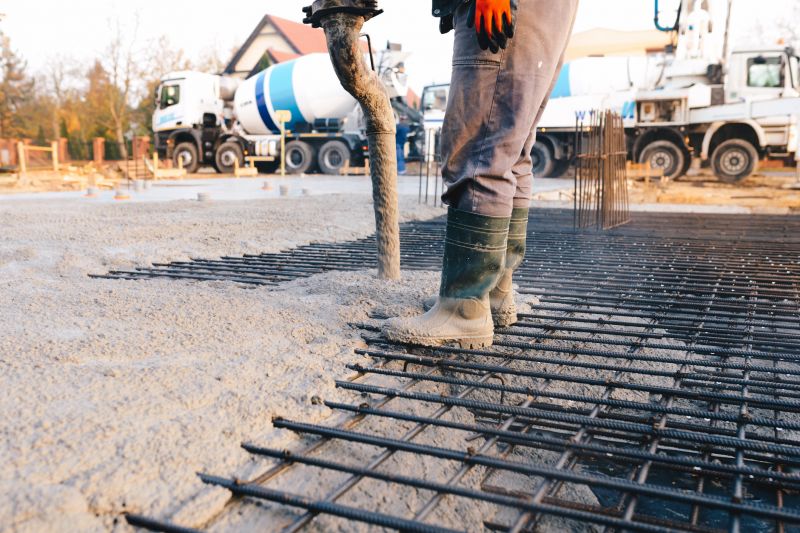


Use clear, consistent comparison criteria to evaluate scope, experience, and written expectations across local contractors.
- Scope Definition - Clearly outline the specific areas and dimensions for poured concrete installation to ensure mutual understanding.
- Material Specifications - Specify the type and quality of concrete and reinforcement materials to be used in the project.
- Preparation Requirements - Identify site preparation tasks, such as form building and soil stabilization, needed before pouring begins.
- Workmanship Expectations - Detail the desired finish, surface texture, and joint placement to align on aesthetic and functional outcomes.
- Documentation and Agreements - Confirm that scope, materials, and expectations are documented in writing to prevent misunderstandings.
When comparing contractors for poured concrete installation, it’s important to evaluate their experience with similar projects. Homeowners should seek service providers who have a proven track record of handling concrete work comparable in scope and complexity. Asking about previous projects that resemble the current job can provide insight into a contractor’s familiarity with specific techniques, site conditions, and materials. This helps ensure that the contractor has the practical knowledge needed to deliver quality results that meet expectations.
A clear, written scope of work is essential when assessing different contractors. An effective scope outlines the specific tasks, materials, and deliverables involved in the project, reducing misunderstandings later on. Homeowners should look for service providers who can provide detailed descriptions of what will be done, including preparation, pouring, finishing, and curing processes. Having this information in writing creates a reference point that clarifies what is included and helps prevent scope creep or unexpected surprises.
Verification basics are critical for making an informed decision. Homeowners should verify the contractor’s experience by requesting references or examples of completed projects similar in nature. Confirming that the contractor has a history of successful work in the local area can also indicate familiarity with regional soil conditions and climate factors that influence concrete performance. Additionally, ensuring that the contractor maintains proper insurance coverage and adheres to safety standards can provide peace of mind and protect against potential liabilities.
Evaluating options without focusing on prices involves examining how well each contractor’s approach aligns with project needs. Homeowners should compare the clarity of scope, the level of detail in project descriptions, and the contractor’s communication style. It’s also helpful to consider the professionalism of proposals, responsiveness to questions, and the ability to provide thorough explanations. By focusing on experience, scope clarity, and verification, homeowners can make informed choices among local service providers that best suit their project requirements.
Ask contractors to provide written scope details to ensure clear expectations and consistent project understanding.
- Experience and Credentials - What experience do local contractors have with poured concrete installation projects similar to yours?
- Scope of Work - How do contractors define and clarify the scope of the poured concrete work to ensure all expectations are covered?
- Materials and Techniques - What materials and installation techniques do local service providers recommend for your specific project needs?
- Project Management and Communication - How do contractors handle project coordination and keep clients informed throughout the process?
- Written Agreements - Do contractors provide detailed written descriptions of the scope, materials, and methods to establish clear expectations?
How can I compare contractors for poured concrete installation? To compare contractors, review their experience with similar projects, ask for references, and verify their reputation through reviews or industry sources.
What should I define in the scope of a poured concrete project? Clearly outline the size, thickness, finish type, and any additional features or requirements to ensure all parties have a shared understanding of the work.
How do I verify the experience of a concrete contractor? Ask about their past projects, request examples or references, and confirm how long they have been performing poured concrete installation.
Why is it important to have the project scope in writing? Having the scope documented helps prevent misunderstandings, sets clear expectations, and provides a reference for the completed work.
What questions should I ask a contractor before hiring? Inquire about their experience, methods, materials used, and how they handle potential issues that may arise during installation.
How can I ensure the contractor understands my project requirements? Communicate your expectations clearly, provide detailed specifications, and confirm that the contractor acknowledges and agrees to the scope in writing.
By reviewing the information provided, visitors now understand the importance of clearly defining the scope of a poured concrete installation project, verifying the experience of local contractors, and setting expectations in writing to ensure a smooth process. Comparing different service providers can help identify options that align with specific project needs and preferences. Utilizing the quote form allows for an easy way to gather information and connect with qualified local contractors who can handle the job effectively.
Taking a moment to use the quote form can facilitate the process of comparing available local contractors for poured concrete installation. This step enables visitors to explore multiple options, clarify project details, and find service providers equipped to meet their requirements. Engaging with local professionals through this platform supports making informed decisions tailored to individual project goals.